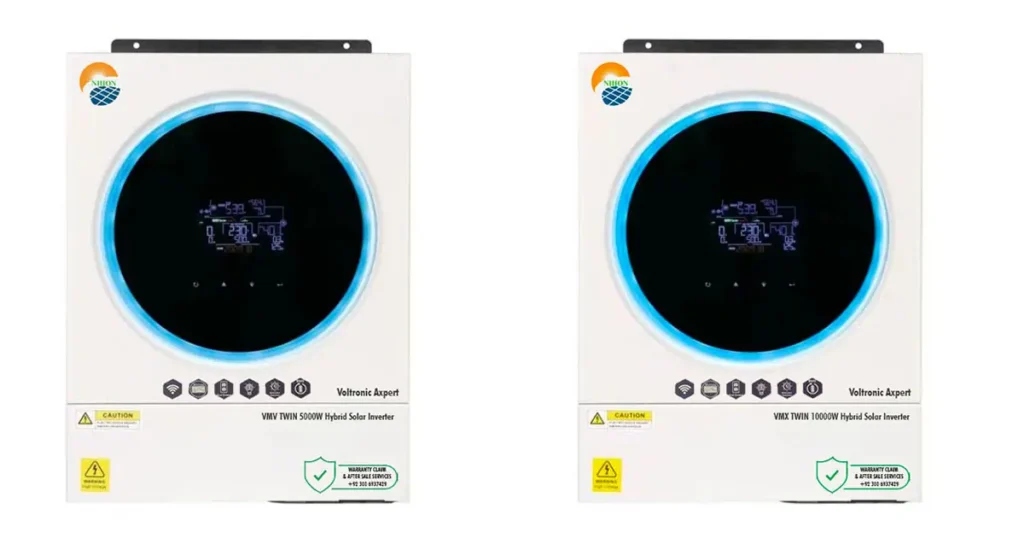
When homeowners consider switching to solar energy, most of the attention naturally lands on the solar panels themselves. People compare panel wattage, cell aesthetics, and warranty lengths. However, the real workhorse of any solar setup is often hidden around the side of the house or in a utility room: the solar inverter.
As solar equipment evolves, manufacturers frequently claim that advanced inverter technology can significantly boost energy yield and drive down utility bills. But is this genuine engineering progress, or merely clever marketing? To understand how an inverter influences your monthly utility costs, it helps to examine what the device does, the different architectures available, and where the financial returns actually come from.
What Does a Solar Inverter Actually Do?
Photovoltaic panels generate direct current (DC) electricity when exposed to sunlight. Most modern residential homes and the broader electrical grid operate on alternating current (AC). Without an inverter, the power produced by rooftop panels cannot run your refrigerator, television, or heat pump.
Beyond basic DC-to-AC conversion, modern inverters perform critical secondary functions:
- Maximum Power Point Tracking (MPPT): Constantly adjusts electrical operating points to extract the maximum possible wattage from the panels under fluctuating sunlight conditions.
- Grid Synchronization: Matches the voltage, phase, and frequency of the incoming utility grid power to allow seamless energy flow.
- System Monitoring: Tracks production data, alerting owners to faults, dirt buildup, or component failures.
- Safety Disconnection: Rapidly shuts down or isolates power during grid outages to protect utility workers.
How Inverter Types Affect Real-World Production
Not all inverters manage power the same way. The architecture you choose directly dictates how much electricity your system delivers to your home, which determines how much you rely on grid power.
1. Traditional String Inverters
In a standard string configuration, multiple solar panels are wired together in a series (“string”) connected to a single central inverter. While cost-effective and easy to maintain, string inverters share a notable drawback: performance is often limited by the lowest-performing panel in the string. If a single panel is partially shaded by a chimney or covered in fallen leaves, the output of the entire string drops disproportionately.
2. Microinverters
Microinverters attach directly underneath each individual panel on the roof, converting DC to AC right at the module level. This eliminates the “Christmas light effect” seen in simple string systems. If one panel suffers from shade or bird droppings, the remaining panels continue to produce electricity at full capacity. For homes with complex rooflines, multiple orientations, or intermittent tree shade, microinverters can noticeably increase total harvestable energy.
3. String Inverters with DC Power Optimizers
This hybrid approach places small DC optimizers on each panel while retaining a central inverter at ground level. The optimizers handle MPPT at the individual module level before sending DC power to the main inverter. This offers the shade-mitigation benefits of microinverters with the streamlined maintenance profile of a single central conversion unit.
4. Hybrid (Battery-Ready) Inverters
A hybrid inverter manages power from solar panels, a home battery storage system, and the utility grid simultaneously. By routing surplus solar power into batteries during the day and discharging it during high-rate evening hours, hybrid systems help homeowners actively avoid peak utility charges.
Can an Inverter Truly Reduce Your Electric Bill?
The short answer is yes, but the extent of your savings depends on your specific installation conditions and your utility provider’s billing structure.
Higher Conversion Efficiency Means Less Lost Energy
No inverter converts 100% of incoming DC energy into AC energy; some power is always lost as heat. Modern high-efficiency inverters typically operate between 96% and 99% weighted efficiency. Replacing an older, degraded inverter or choosing a higher-efficiency unit ensures that more of the energy your panels create actually offsets grid consumption.
Mitigating Shading Losses
If your roof experiences partial shading throughout the day, module-level power electronics (microinverters or DC optimizers) can recover a meaningful percentage of energy that a standard string inverter would otherwise lose. More kilowatt-hours delivered directly translates to fewer kilowatt-hours purchased from the power company.
Capitalizing on Time-of-Use (TOU) Rates
In many regions, utilities charge variable rates depending on the time of day, with electricity costing significantly more during late afternoon and early evening peak periods. Advanced hybrid inverters paired with energy storage allow homeowners to store inexpensive mid-day solar generation and consume it during expensive peak hours, directly reducing bills even without increasing raw panel production.
The Balance Between Upfront Cost and Long-Term Value
While advanced inverters deliver superior efficiency and shade tolerance, they also come with higher upfront price tags. Microinverters and power optimizers generally cost more per watt than basic string inverters.
If you have an unshaded, south-facing roof in an area with flat-rate net metering, a basic string inverter may already provide the best financial return. In that scenario, paying a premium for complex module-level electronics might not generate enough extra kilowatt-hours to justify the added equipment expense. Exact financial performance varies by local utility tariffs, equipment pricing, and regional solar irradiance, so evaluating site-specific estimates is always recommended.
Frequently Asked Questions
How long do solar inverters typically last?
Central string inverters generally carry warranties ranging from 10 to 15 years and may need replacement once during the lifetime of a 25-year solar array. Microinverters typically feature longer manufacturer warranties, often between 20 and 25 years, matching the anticipated lifespan of standard solar modules.
Can I upgrade my inverter without replacing my solar panels?
Yes. If your current inverter fails or you wish to transition to a battery-ready hybrid unit, you can usually retrofit a new inverter to existing panels, provided the electrical specifications (voltage and amperage ranges) are compatible with your current panel configuration.
Will a more expensive inverter eliminate my bill entirely?
An inverter alone cannot eliminate your bill. Total savings depend on overall system sizing, daily household consumption, seasonal weather patterns, and unavoidable fixed grid connection fees charged by your utility provider.